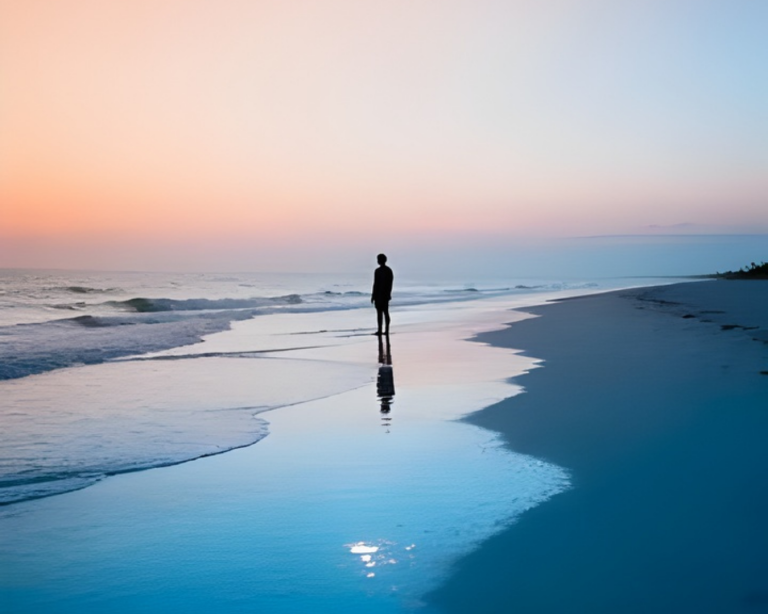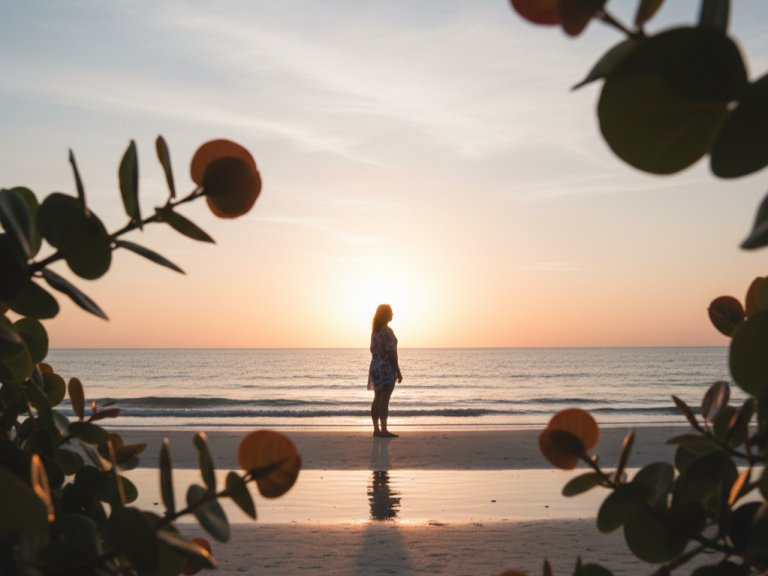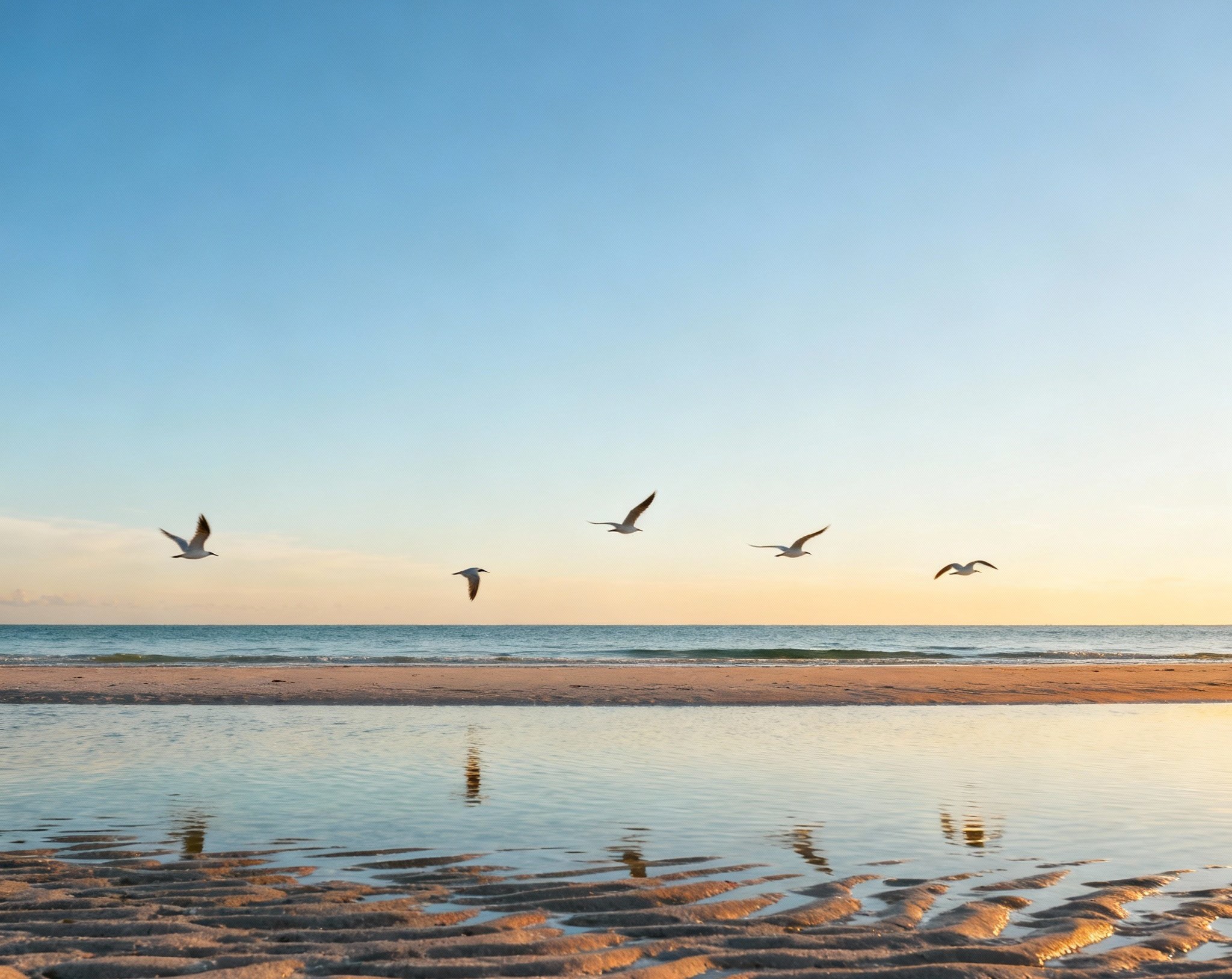

Low light, steady waters, and freshly gathered shells quietly hint at a subtle shift unfolding along Sanibel’s shoreline …
Sanibel’s low light and calm seas mark a coastal reset, not rest.
According to NOAA, slower waves help beaches rebuild and clear water. Source.
I saw shells settle like notes on a page, a paradox where still water moves land.
This guide helps curious beach walkers read cues spot change.
The Shift in Light and Atmosphere
The light arrives low and unhurried. It does not rush the morning. It settles.
Across Sanibel’s shoreline, sunlight slides gently over the sand, stretching shadows until they soften and fade. The beach looks quieter under this light, as if it has decided to speak more slowly. Fine grains of sand show their patterns. Thin water mirrors the sky in pale, careful strokes.
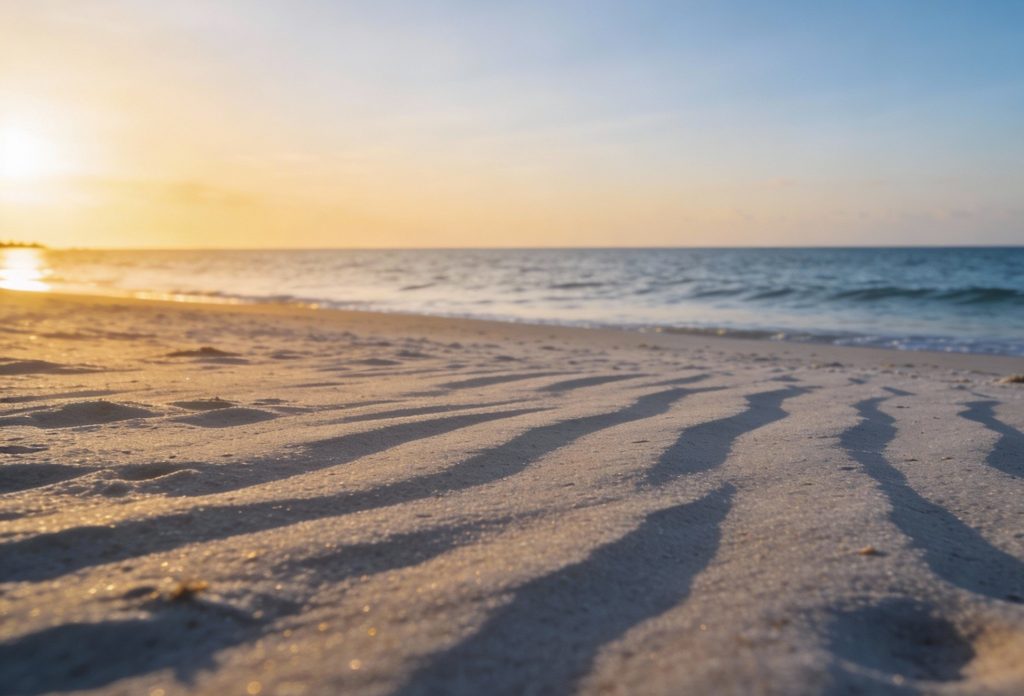
Under this light, small things matter more.
- Lines drawn by retreating waves
- Wet sand holding a muted shine
- Colors that move between silver, blue, and soft gold
The air feels lighter. Almost held in place.
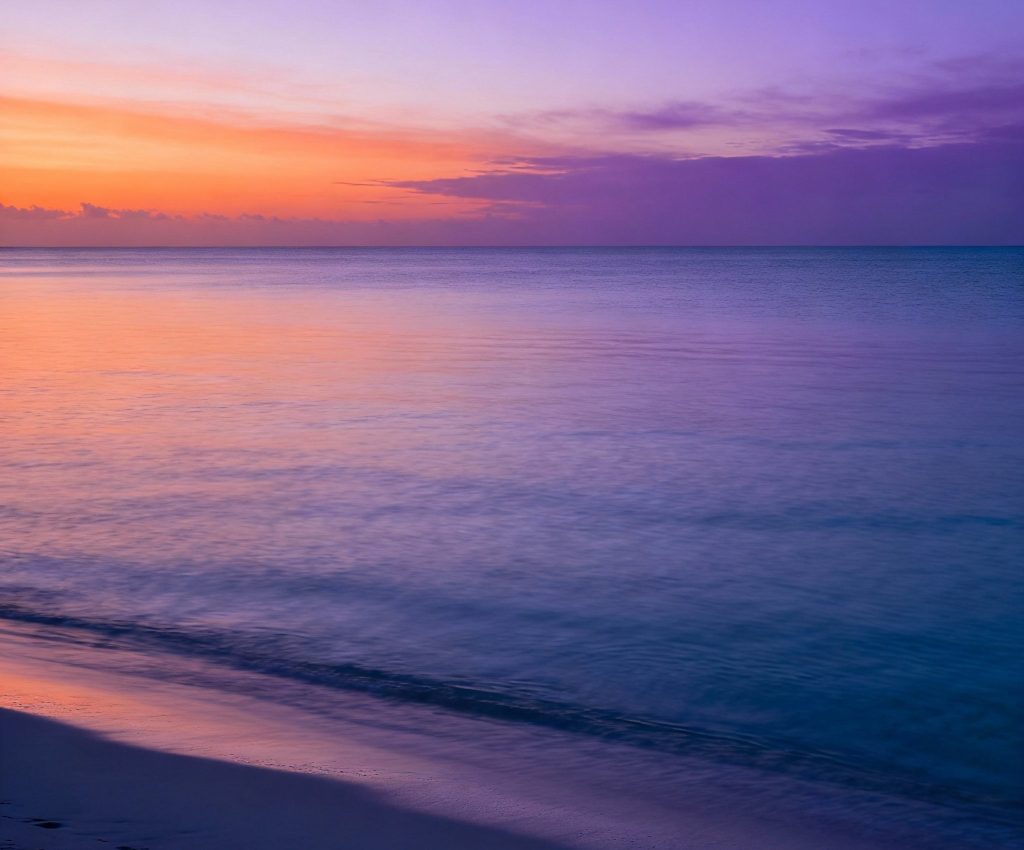
This kind of light is not loud.
It does not announce change.
It suggests it.
Here, lower light signals a pause in the natural rhythm. Heat loosens its grip. Winds shift direction. The shoreline rests, then listens.
A passing cloud can dim everything at once. Then the light returns, softer than before. In Sanibel, this is how change begins quiet, patient, and written gently across the shore.
Calm Seas and the Language of Water
The sea feels like it is breathing slower.
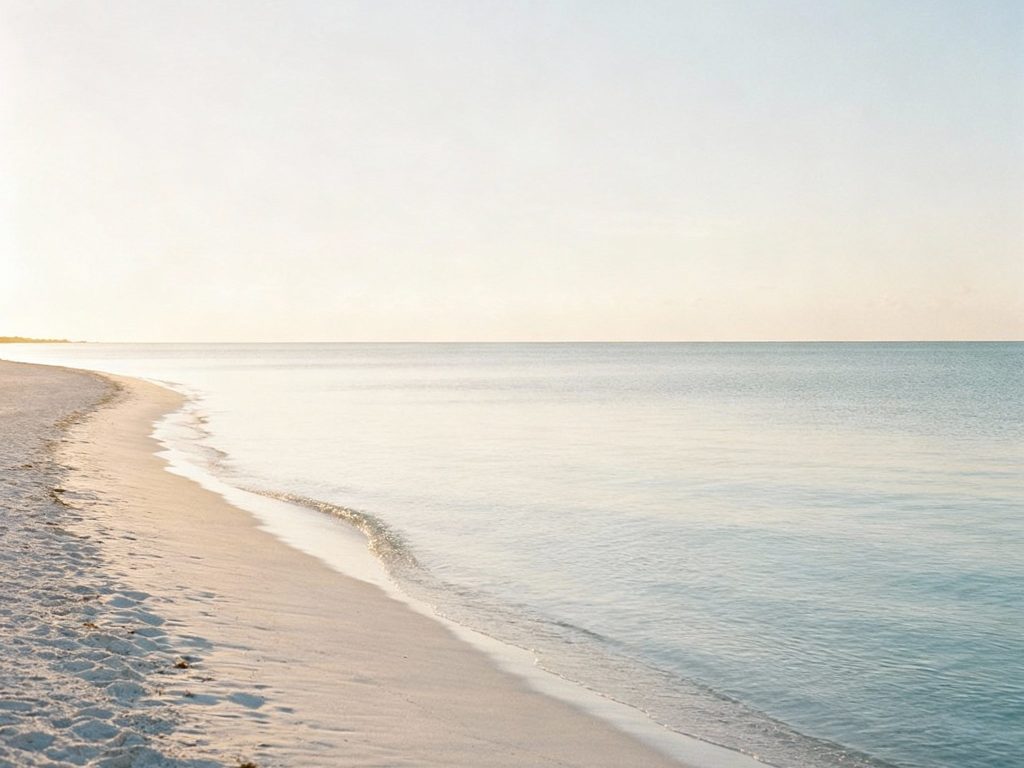
Waves arrive without hurry, barely lifting themselves before returning to the shore. In Sanibel, calmer seas often signal a seasonal shift. Wind patterns soften. Currents grow steadier. Water begins to hold its shape.

When the sea calms, it starts to speak differently.
- Water turns clearer
- Movements become smoother
- Shorelines change in small, careful steps
The ocean is not resting.
It is working quietly.
What Calm Water Reveals
| Natural Element | What Changes | Why It Matters |
|---|---|---|
| Wave energy | Becomes lower and slower | Reduces sand erosion |
| Water clarity | Increases | Allows sunlight to reach the seabed |
| Tidal motion | Feels more even | Shapes the shoreline gently |
| Sand movement | Shifts gradually | Helps beaches rebuild naturally |
Here is a quiet fact:
Sanibel’s east–west shoreline orientation makes calm periods especially important. When waves slow, currents can deposit sand instead of pulling it away. Over time, the beach redraws itself line by line.
Small signs appear:
- Sandbars forming just offshore
- Shells settling instead of scattering
- Water reflecting light like thin glass
The sea becomes the author of the coast. It writes slowly. Patiently. And every gentle wave leaves a sentence behind.
Shells as Evidence of Renewal
Shells arrive quietly.
They do not wash in all at once, yet suddenly they are there, resting along the shoreline as if they have always belonged. In Sanibel, shells are more than beautiful objects. They are records of movement. Each one has traveled, turned, and waited before reaching the sand.
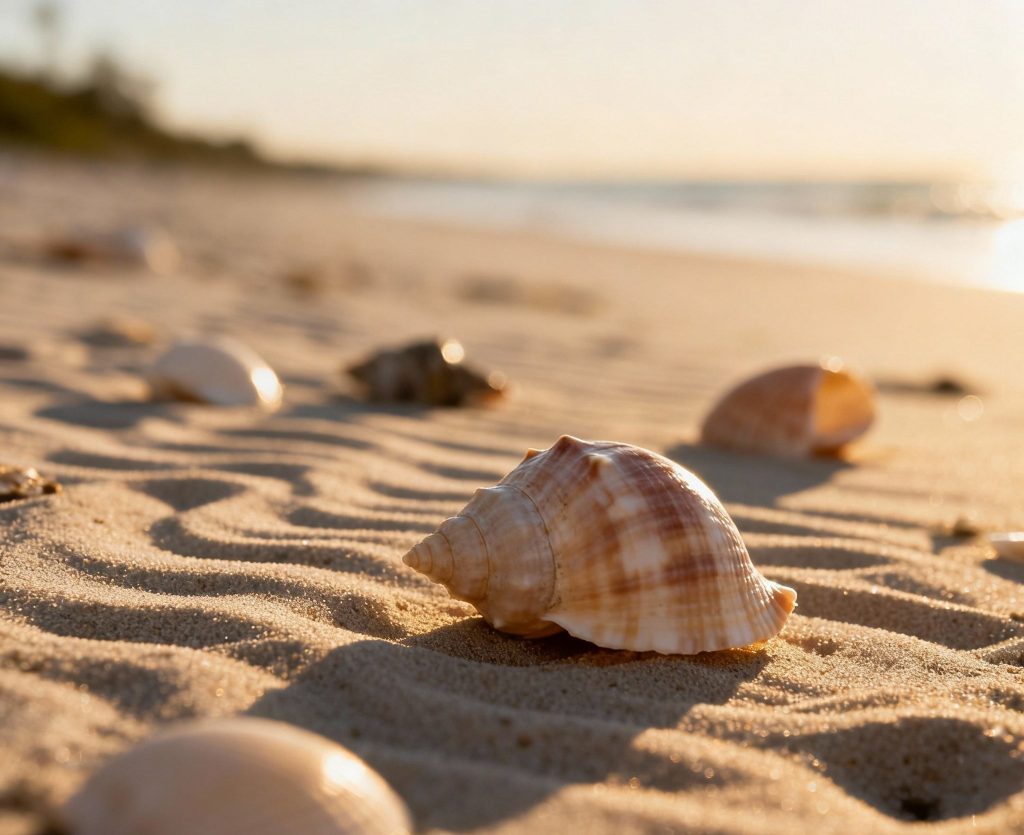
Calmer seas allow shells to settle instead of breaking apart. Currents slow. Waves lose their edge. What reaches the shore arrives whole, carrying shape and color. This is why certain moments reveal more shells than usual, laid out by water that has learned patience.
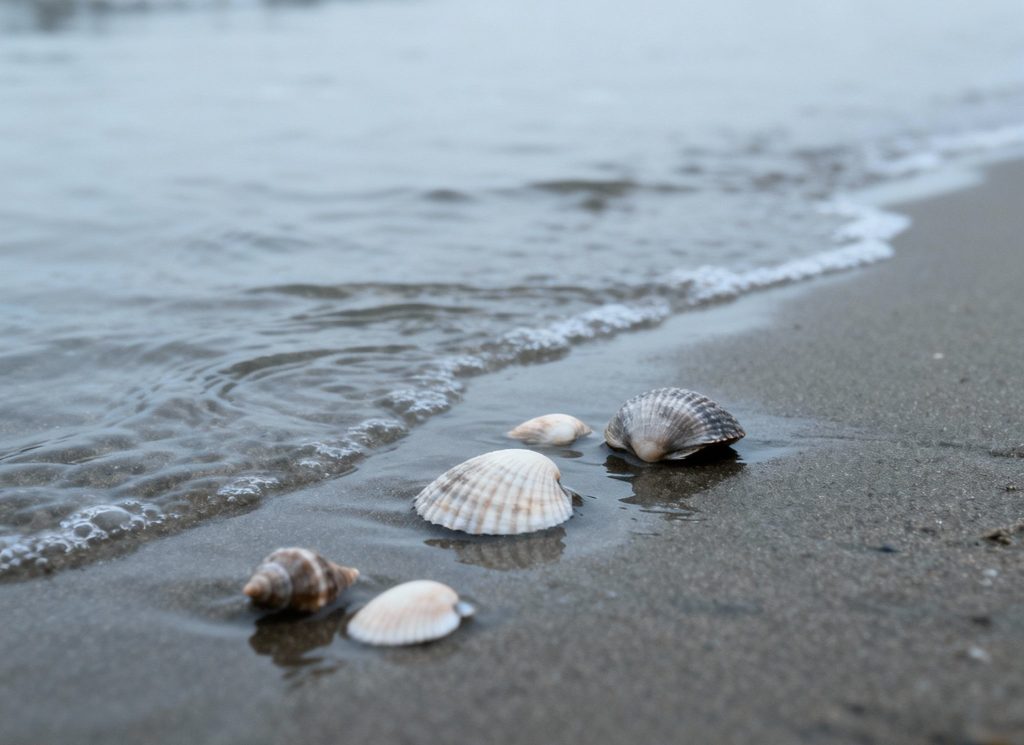
Sanibel’s unique shoreline plays a role here. Its orientation catches currents in a way that gathers rather than scatters. Over time, shells accumulate, forming quiet patterns that change with each tide. Some sink back into the sand. Others stay, catching light for a moment before the next wave rewrites the scene.
A shell on the beach is never still. Even in calm, it belongs to motion. It marks a pause in that movement—a brief moment where the sea allows something to remain. In Sanibel, renewal does not announce itself. It leaves evidence.
Conclusion: A Quiet Cycle Begins
Nothing here asks for attention.
Change in Sanibel arrives softly, carried by low light, calm water, and objects left behind without ceremony. The shoreline is not reset in a single moment. It shifts through small signs that reward patience and closer observation.
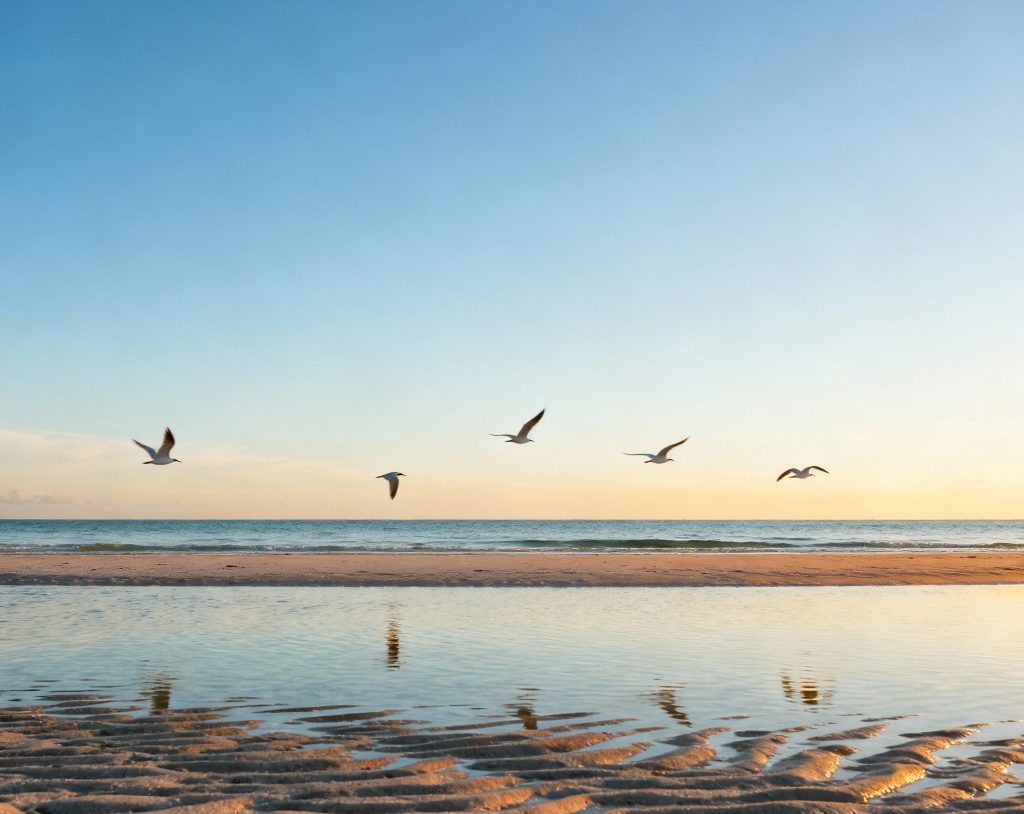
The light lowers and lingers, slowing the pace of the day. The sea eases its movement, allowing clarity and balance to return. Shells appear as quiet markers, evidence that the coast has entered a new phase of its natural rhythm.
This cycle does not rush forward. It unfolds. If you want to understand it, come early. Walk the shore when the light is low and the sea is silent. Stand still. Let the water move past your feet. Sanibel does not explain itself from a distance, you have to be there to feel it.

I’m Ayla Wolesky, and I’ve spent years exploring every corner of Sanibel Island. From its pristine beaches to the hidden gems only locals know about, I’m passionate about sharing everything this beautiful island has to offer. Whether it’s the best spots for shelling, the wildlife that makes Sanibel so special, or where to enjoy a perfect sunset, I’ve got you covered. My goal is to provide insider tips and up-to-date information that will help you experience Sanibel Island like never before.